
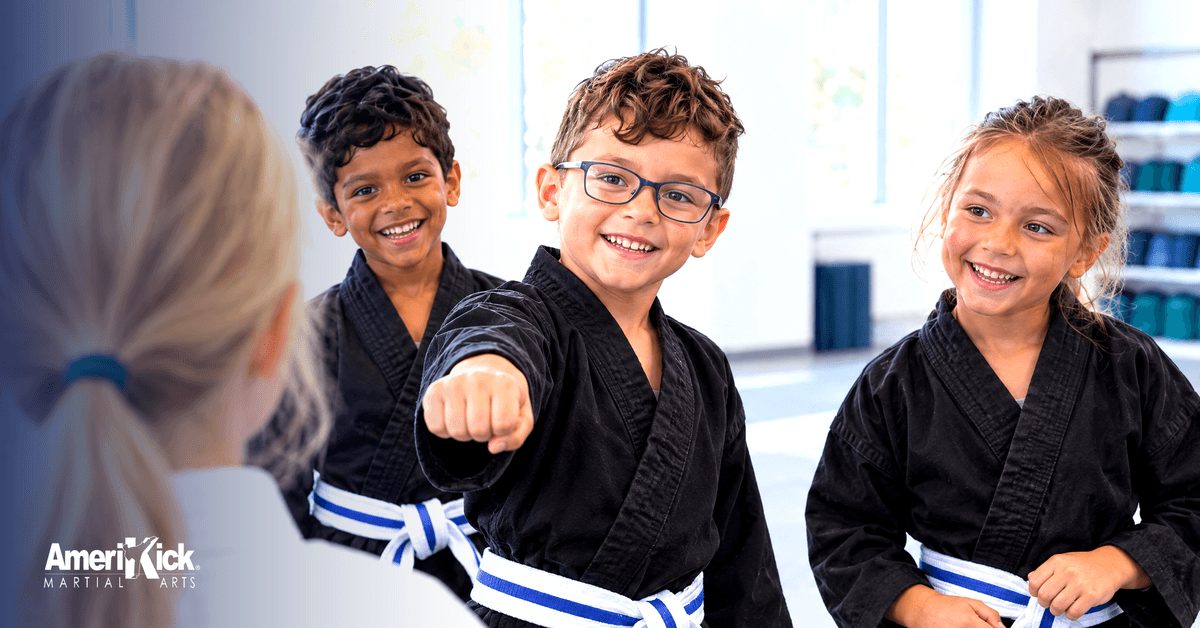
The sentence parents hear in the car on the way to the first class is almost always the same: “I won’t know anybody.”
Sometimes it’s quieter. On belt night or intro day, kids say versions of “this is really scary… I don’t think I can do this.” That isn’t drama. It’s a nervous system meeting a new room — new smells, new voices, a line to stand in when everyone else seems to already know the bow.
Martial Arts marketing loves fight montages. Overland Park and Lenexa parents shopping for a school usually want something else: a place where a shy or new kid can feel the room settle — where belonging shows up before bravado.
What the first-class fear actually is
It’s not about belts. It’s about social risk. Standing where you might look wrong. Hearing your name called. Not knowing whether the other kids already have friends.
Parents who answer for the kid in the lobby (“They’re just shy!”) mean well. The kid hears: this room is hard, and I need a translator. A better first visit is quieter. You walk in. You watch. You let them answer their own name when asked. You stay visible without narrating every second.
Belt-night fear is the same animal with a spotlight. If the only practice they’ve had is “don’t mess up on the big day,” of course it feels impossible. Trial weeks that build ordinary reps — lining up, greeting, surviving “I don’t know that yet” — shrink the spotlight before it arrives.
How trial weeks build belonging (without the fight pitch)
At AmeriKick Overland Park and Lenexa, the product on day one isn’t sparring highlight reels. It’s repetition, clear cues, and instructors who expect nerves.
Xander (Head Instructor), Parrish and Rodrigo (Directors), and Peyton see first-day jitters every week. Belonging is built in small moves: finding a spot on the line, learning a greeting, fixing a belt with help, hearing “try again” without shame. You’re not buying a guarantee that intro day will feel easy. You’re buying a culture that treats “I don’t think I can do this” as training material — not a reason to quit in the parking lot.
Watch the room when a new kid walks in. Do they get absorbed or stranded? That answer tells you more than any brochure paragraph.
What to tell them in the car (scripts that don’t overpromise)
- “You don’t have to be the best. You have to show up.”
- “It’s okay if you don’t know anybody yet. That’s how every friend started.”
- “I’ll be here when class ends. You get to do the talking with the instructor.”
Skip: “You’re going to love it!” (pressure). Skip: leading with “We’ll leave if it’s scary” (escape hatch before they try). Stay: “We’ll try today. Then we talk.”
After class, one question is enough: “What felt okay?” Wait past the shrug. You’re teaching them that their words matter more than your summary.
A note on belt day without the hype
Belt and intro nights look huge from the parking lot. Inside a healthy school, they’re checkpoints — not auditions for worth. If your child is already saying “I can’t,” treat that as information for the instructor, not a secret to manage alone. Ask how they prep nervous kids the week before. Ask whether spectators make it better or worse for your child. Belonging includes adults who plan for nerves instead of performing calm.
Try the room, not the brochure
Tour. Sit. Notice tone. Ask how trial weeks work and what the first month looks like for a kid who freezes easily. The public starting offer is 14 Days for $14 — enough days to see if the jitters soften, not a forever decision on day one.
